

Vitamin B5 helps skin hold onto moisture and keeps the outer barrier working properly, which is why it turns up in so many hydrating serums and moisturisers. It's a gentle, well-tolerated ingredient, though it's also one of the more confusingly labelled ones on a skincare shelf.
This guide explains what vitamin B5 actually is, why it's usually listed as panthenol rather than vitamin B5 itself, what it does for skin, how it compares to niacinamide and where the evidence for acne and wound healing genuinely stands.
What is Vitamin B5?
Vitamin B5 is pantothenic acid, an essential water-soluble nutrient your body needs to make coenzyme A, a compound central to energy and fat metabolism. It's found naturally in many foods, and most people get enough through diet alone.
Skincare doesn't actually use pantothenic acid itself, though. Almost every product on the shelf uses a related ingredient called panthenol instead, which is where a lot of the confusion starts.
Is Panthenol the Same as Vitamin B5?
Panthenol isn't quite the same as Vitamin B5, though the two are closely related. Panthenol is sometimes called "pro-vitamin B5" because it converts into pantothenic acid once it's absorbed into skin. Cosmetic formulators use panthenol rather than pantothenic acid itself because it's more stable and penetrates skin far more easily, according to SpecialChem's ingredient profile.
There's a further detail worth knowing if you read ingredient lists closely. Panthenol comes in two mirror-image forms, and only one of them, D-panthenol, sometimes labelled dexpanthenol, is actually active once it's on your skin.
So while "vitamin B5" and "panthenol" get used interchangeably in marketing, the more accurate version is that panthenol is the form your skincare actually contains, and your skin converts it into the vitamin itself.

What Does Vitamin B5 Do for Your Skin?
The main strength of Vitamin B5 is supporting the skin barrier and helping it hold onto water. Several controlled studies have shown that topical panthenol reduces transepidermal water loss, the rate at which moisture escapes through skin, and measurably improves hydration, summarised in this review of the evidence.
A separate pair of randomised trials found a panthenol-containing moisturiser improved both hydration and barrier recovery over four weeks of use, reported here.
In practical terms, that means skin feels more comfortable, less tight and less easily irritated. It's one of the reasons vitamin B5 is often paired with actives that can be drying on their own, like retinol or vitamin C, since it helps offset some of that dryness rather than adding to it.
Vitamin B5 vs Niacinamide (Vitamin B3): What's the Difference?
Both Vitamin B5 and Niacinamide are B vitamins, but they do different jobs. Niacinamide, or vitamin B3, is better known for evening out tone and calming visible redness, while vitamin B5 focuses more on hydration and barrier support.
They're not competing ingredients, and using both together is common practice, since one helps skin look calmer while the other helps it feel more comfortable.
Does Vitamin B5 Help with Acne?
There's some evidence that Vitamin B5 helps with acne, but it's worth being precise about what it actually shows. A randomised, placebo-controlled trial found that an oral pantothenic acid supplement significantly reduced total blemish count over 12 weeks compared with placebo.
That's a genuinely useful finding, but it's about a supplement taken orally, not a cream or serum applied to skin, and the evidence for topical vitamin B5 specifically treating acne is much thinner.
A cosmetic panthenol product can reasonably be expected to help skin feel calmer and more comfortable if you're prone to blemishes, but it isn't an acne treatment, and persistent or more severe acne is always worth discussing with a GP or dermatologist rather than managing through skincare alone.

How to Use Vitamin B5 Skincare in a Routine
Vitamin B5 is one of the easier ingredients to build a daily skincare routine around, since its gentle, non-comedogenic and suits most skin types, including sensitive skin. Skincare products typically use it somewhere in the region of 1-5%, and it works well layered under most other active ingredients rather than needing a routine built specifically around it.
A serum offers a more concentrated dose, while a moisturiser containing panthenol folds the benefit into a step you're already doing. Morning or evening both work well, and there's no sun-sensitivity concern to plan around unlike retinol or vitamin C.
Conclusion
Vitamin B5, or more accurately the panthenol your skincare actually contains, does a genuinely useful job. It supports the skin barrier and helps other, more active ingredients feel more comfortable to use. It isn't a dramatic, headline ingredient, but it's one of the more dependable ones in a routine.
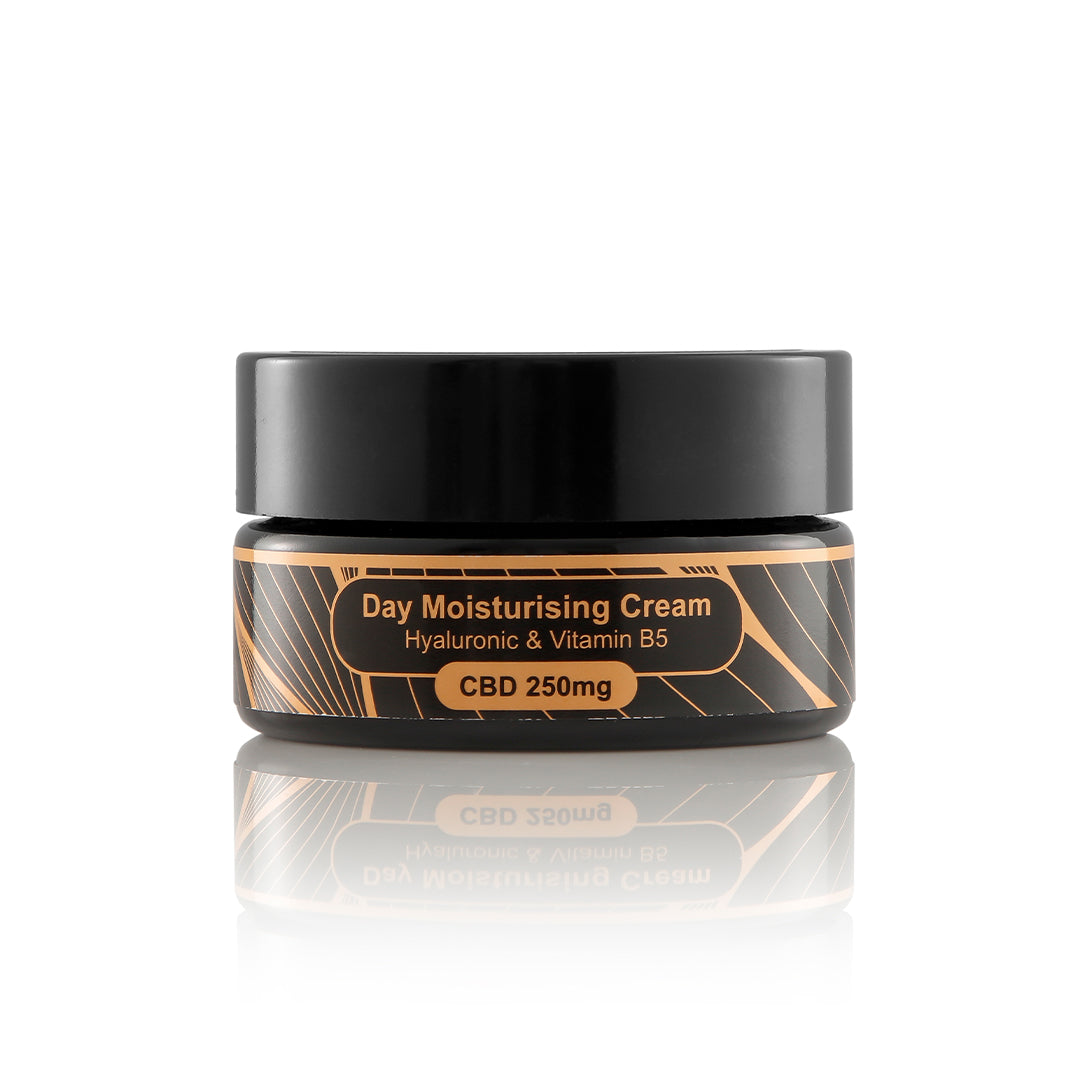
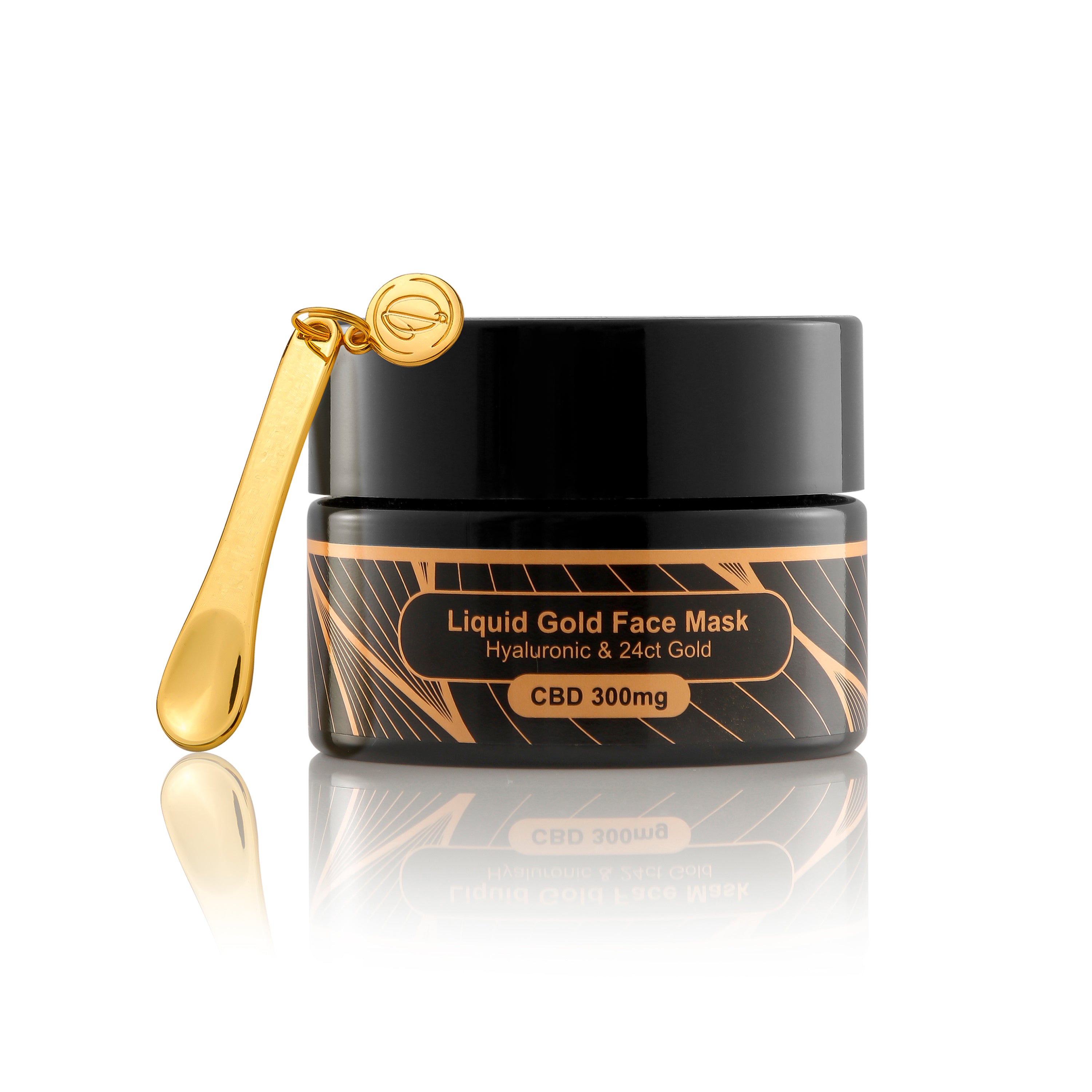
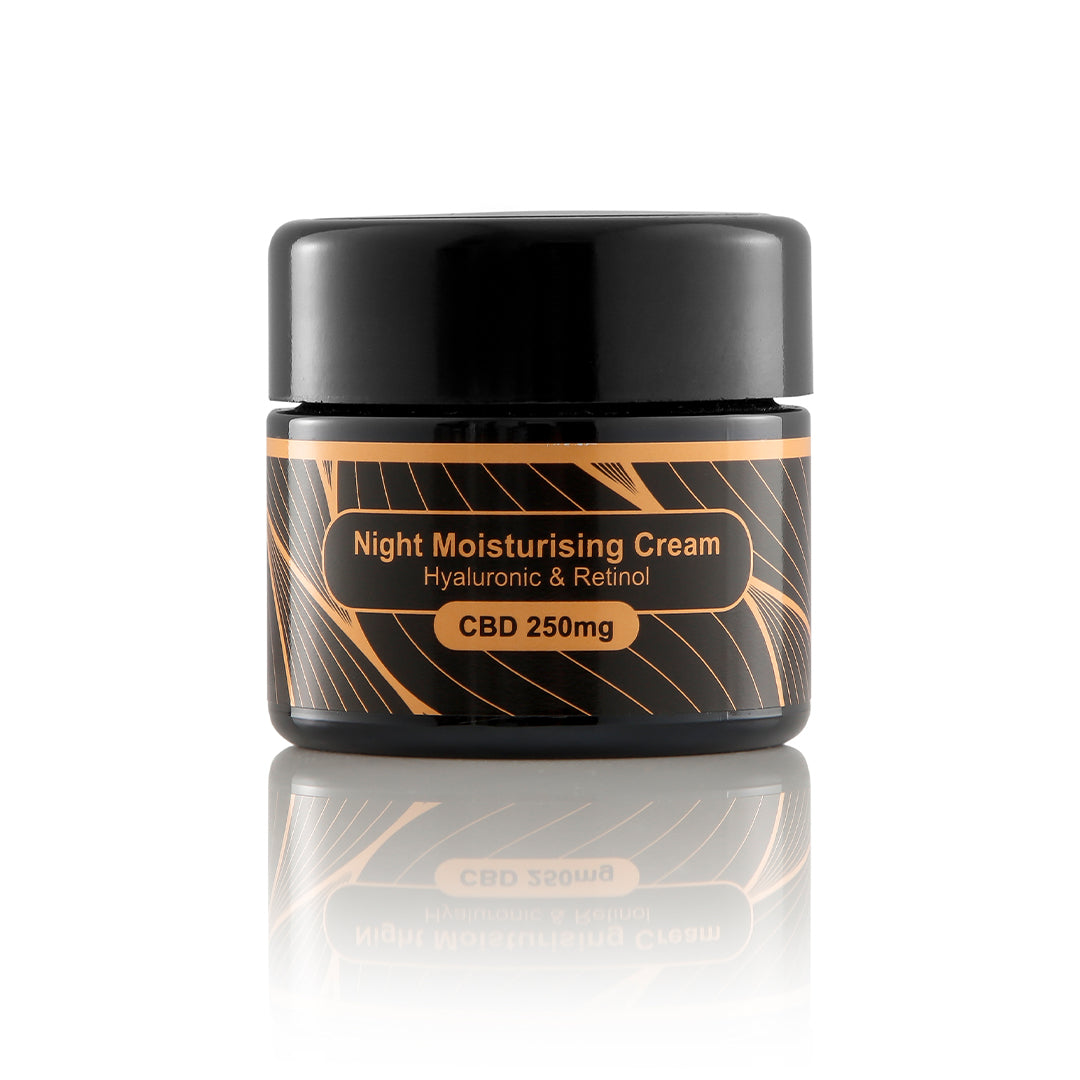
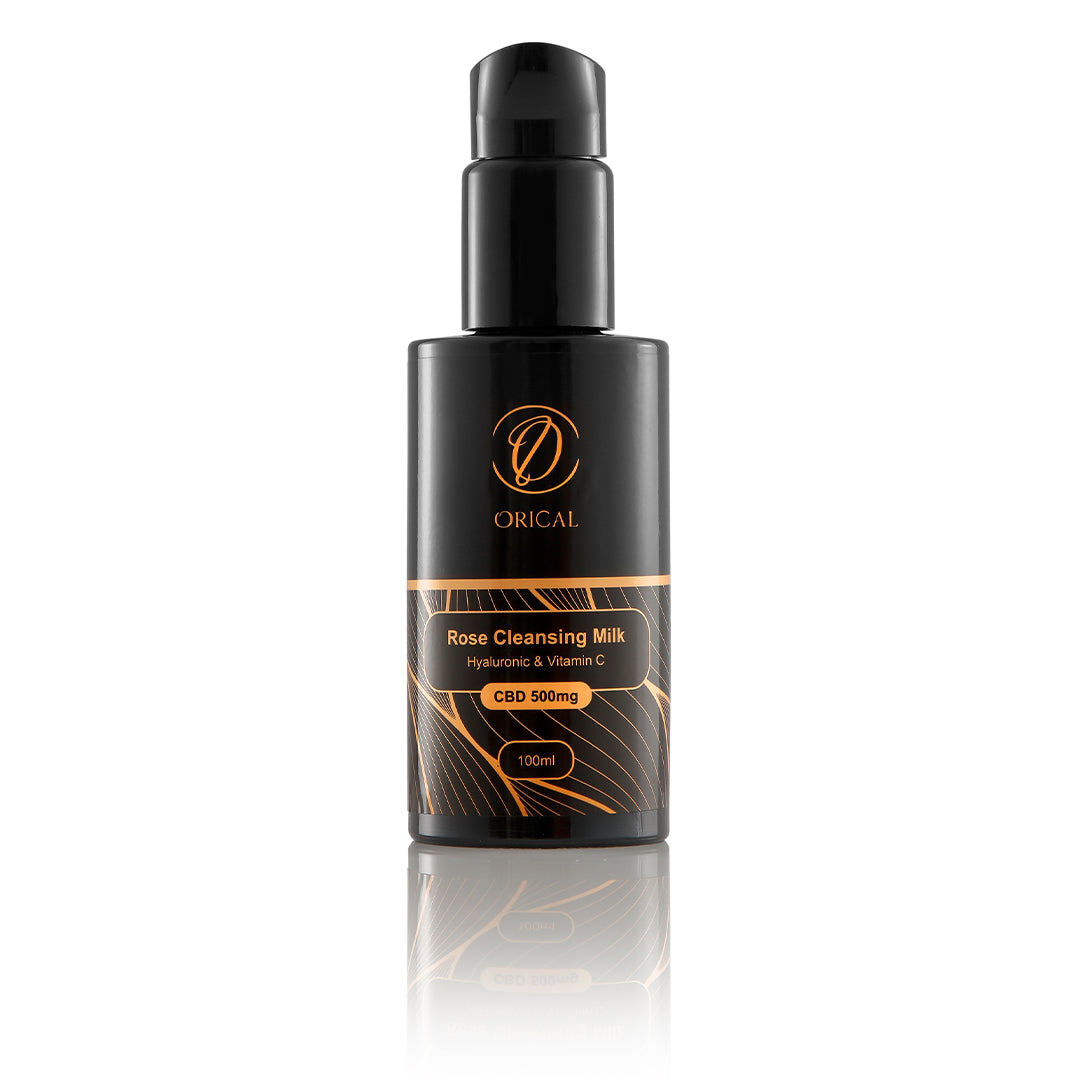
At Orical, panthenol sits alongside other luxury, evidence-led ingredients like 24 carat gold, hyaluronic acid and retinol in products like our Day Moisturising Cream. For the full picture of how our hero ingredients work together, read more of our ingredient deep-dives.
Ready to bring it into your own routine? Explore the full skincare range or start with , formulated with vitamin B5 as part of your daily ritual.