

Avocado butter is a rich, plant-based emollient that helps skin hold onto moisture and feel noticeably softer, thanks to a fatty acid profile dominated by oleic acid. It's a staple in moisturisers for a good reason, though a lot of what gets said about it online overstates what the evidence actually shows.
This guide covers what avocado butter actually is, what it does for skin, whether it clogs pores, how it compares to shea butter and what the genuine research says, so you know exactly what you're getting rather than just what the label promises.
What Is Avocado Butter?
Avocado butter isn't simply mashed or pressed fruit. It's typically made by hydrogenating avocado oil, or blending the oil with a solid fat, to turn a liquid oil into a spreadable, solid-at-room-temperature butter.
On an ingredient list it usually appears as Persea Gratissima Butter, sometimes alongside Hydrogenated Avocado Oil. That distinction matters because most of the research into avocado's skin benefits has actually been carried out on the oil, not the finished butter, so it's worth keeping that in mind as you read the rest of this guide.
What Does Avocado Butter Do for Your Skin?
The main job of Avocado butter is moisturising and softening. Avocado oil (the base of the butter) is dominated by oleic acid, typically somewhere between 65 and 70% of its fatty acid content, alongside smaller amounts of palmitic and linoleic acid and a supply of vitamins A, D and E.
It also contains a notably high proportion of unsaponifiables, the plant compounds left behind after the fat itself is removed, at roughly 5-12%, compared with just 1-2% in most other plant oils.
A broader review of plant oils and skin barrier function notes that oleic-rich oils like this tend to work well as emollients, helping skin feel smoother and less prone to moisture loss.
Is Avocado Butter Good for Your Face?
For dry or more mature skin, Avocado butter is generally a useful skincare ingredient. Its richness makes it well suited to skin that needs extra comfort, particularly through colder months or in a night-time routine where a heavier texture isn't a drawback.
It's less obviously suited to very oily or highly congestion-prone skin, where a lighter, less occlusive formula usually feels more comfortable day to day, though that comes down to individual skin far more than any single ingredient.
Does Avocado Butter Clog Pores?
The answer as to whether Avocado butter clogs pores is hard to be definite on. Avocado butter is commonly rated around 2 to 3 on the comedogenic scale, a system originally built from rabbit-ear testing decades ago and compiled inconsistently across sources ever since.
It's a useful rough guide rather than a precise measurement, and it doesn't account for how an ingredient behaves once it's combined with everything else in a finished formula. If you're prone to congestion, it's sensible to patch test, but a moderate rating on its own isn't a reason to rule it out.
Avocado Butter vs Shea Butter: What's the Difference?
Both Avocado butter and shea butter are rich, plant-derived butters used for similar reasons, but their fatty acid profiles differ. Avocado butter leans heavily on oleic acid, while shea butter carries a more balanced mix of oleic and stearic acid, which tends to give it a slightly lighter, less greasy feel on skin. Neither is objectively better; they simply suit slightly different skin types and textures, and it's common to see both used together in a formulation rather than as a straight substitute for one another.
A Note on Avocado Allergy
If you have a latex allergy, it's worth knowing that avocado is one of several fruits linked to what's known as latex-fruit syndrome, where sensitivity to natural rubber latex can sometimes extend to certain plant proteins too.
Refined avocado oil and butter, the kind used in skincare, generally contain very little of the protein responsible for this, so reactions are uncommon, but if you have a known latex allergy, a patch test is a sensible precaution before using any new avocado-based product.
How to Use Avocado Butter in a Routine
It works best as a moisturising step rather than something layered under lighter, more active-focused products. A cream or balm containing avocado butter is typically applied after cleansing, and after any serums, to help lock in hydration. It's suitable for daily use, morning or evening, and pairs comfortably with most other skincare ingredients without any particular sequencing to worry about.
Conclusion
Avocado butter earns its place in a moisturiser honestly. It's a genuinely effective emollient, plant-derived and vegan by nature, even if some of the more dramatic claims made about it outrun the research behind them.
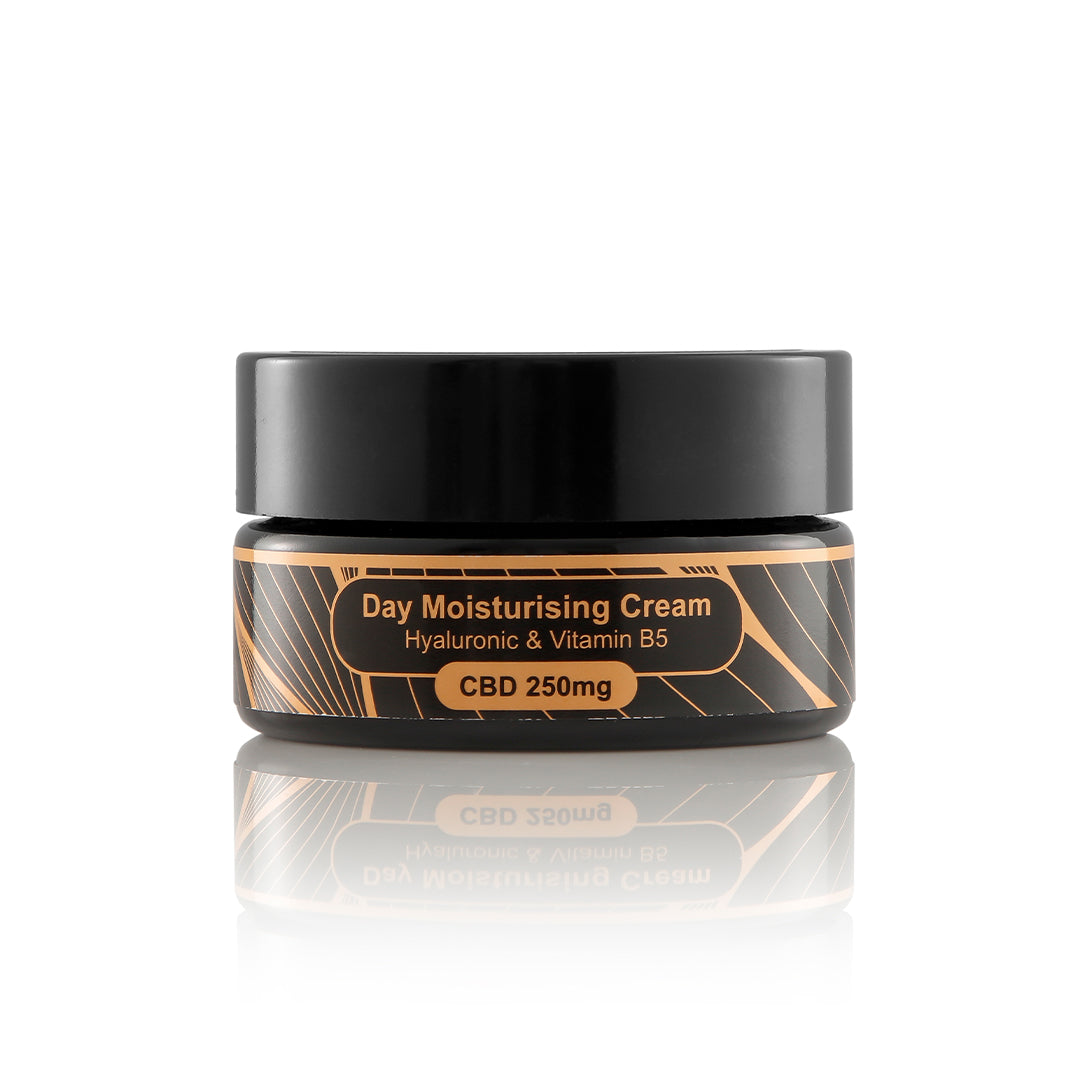
At Orical, avocado butter sits alongside other luxury, evidence-led ingredients like hyaluronic acid in our Day Moisturising Cream. For the full picture of how our hero ingredients work together, read more in our ingredients deep-dive series.
Ready to bring it into your own routine? Explore the full range or start with the Day Moisturising Cream, formulated with avocado butter as part of your daily ritual.