

Retinol is a vitamin A derivative that speeds up skin cell turnover and encourages collagen production, which is why it's often used in skincare products and gets credited with producing smoother textured, more even toned skin over time. It's probably the most talked-about ingredient in skincare, and also one of the most misunderstood. Some of that reputation is well earned, and some of it comes from claims that go further than the evidence really supports.
This guide covers how retinol actually works, whether it genuinely helps with skin conditions like acne, how long it takes to work and how to apply it properly.
What is Retinol?
Retinol is a form of Vitamin A that belongs to a wider family of ingredients called retinoids.
Once applied to the skin, it's converted in stages into retinoic acid, the form that actually does the work of speeding up cell turnover and supporting collagen production. Retinol sits at the gentler end of the retinoid family.
Stronger versions, like retinal (retinaldehyde) and prescription tretinoin, convert to retinoic acid faster and tend to work more quickly, but they're also more likely to cause irritation, which is why most people start with retinol-based skincare rather than jumping straight to something stronger.
What Does Retinol Do for Your Skin?
Retinol speeds up how quickly skin cells turn over and encourages the skin to produce more collagen. In practical terms, that tends to mean smoother texture, a more even tone and a softer look to fine lines over time.
Retinol is one of the better-studied ingredients in skincare, and a 12-week study using a 0.3% retinol formula found measurable improvements to photoaged skin over that period, alongside good tolerability at that strength (see the Mellody et al. study). Results build gradually rather than overnight, which is worth knowing before you start.
Does Retinol Help with Acne?
Evidence does differ on which type and strength of Retinol actually helpes manage acne. Prescription-strength retinoids, such as tretinoin, are recognised first-line treatments for acne and are recommended in NICE's UK clinical guidance as part of a proper treatment plan.
Cosmetic retinol, the kind found in over-the-counter skincare, works on the same underlying principle, encouraging cell turnover and helping keep pores looking clearer, but it's a different strength and isn't a licensed medical treatment.
That means an honest, compliant answer is: a good cosmetic retinol can help skin prone to blemishes look clearer over time, but it isn't a substitute for prescription treatment. If acne is a genuine concern rather than the odd breakout, it's worth speaking to a GP or dermatologist rather than relying on skincare alone.
How Long Does Retinol Take to Work?
Patience matters when using Retinol-based skincare products. Some people notice a slight change in skin texture within the first couple of weeks, but the improvements most people are actually looking for i.e. smoother tone and softer fine lines, tend to build over roughly four to twelve weeks of consistent use, which lines up with the timeframe used in the retinol efficacy study referenced above.
Retinol rewards consistency far more than it rewards a strong first application, so using it steadily at a tolerable strength will get you further than using it too often, too soon.
How to Apply Retinol
Getting the application right matters more than the product itself.
- Use a pea-sized amount on clean, dry skin at night.
- Start with two or three nights a week and build up gradually as your skin adjusts.
- Follow with a moisturiser to help reduce dryness while your skin gets used to it.
- Always wear SPF the next morning, since retinol can make skin more sensitive to sun exposure.
- Avoid the delicate skin right around the eyes, and avoid combining it with strong acids in the same routine while you're still building tolerance.
A little redness, flaking or sensitivity in the first couple of weeks is common and usually settles down. If irritation is severe, spreads beyond your usual skin, or doesn't improve after several weeks, it's worth pausing and checking with a dermatologist rather than pushing through it.
Is There a Legal Limit on Retinol in the UK?
The legal limit on Retinol usage in the UK is actually something that is quite often misreproted. From November 2025 , the EU introduced a legal cap limiting retinol to 0.3% in most leave-on cosmetic products (see the EU regulation text), and that cap also applies in Northern Ireland.
Great Britain, however, hasn't adopted the same limit, so there's currently no equivalent legal cap on retinol concentration in cosmetics sold in the rest of the UK. Worth knowing if you've seen conflicting claims elsewhere, since several UK sources currently get this detail wrong.
Retinol and Pregnancy
Guidance on the use of Retinol whilst pregnant by comparison is muhc simpler. Retinoids, including cosmetic retinol, are generally advised against during pregnancy and breastfeeding, as a precaution.
The UK's medicines-in-pregnancy service confirms this cautious approach for topical retinoids (see the bumps/UKTIS guidance). If you're pregnant, trying to conceive or breastfeeding, it's best to pause retinol and speak to your GP or midwife about suitable alternatives in the meantime.
Conclusion
Retinol has earned its reputation, provided it's used correctly and with realistic expectations about timing. It works gradually, suits most skin types when introduced slowly, and the strength and formulation matter just as much as the ingredient itself.
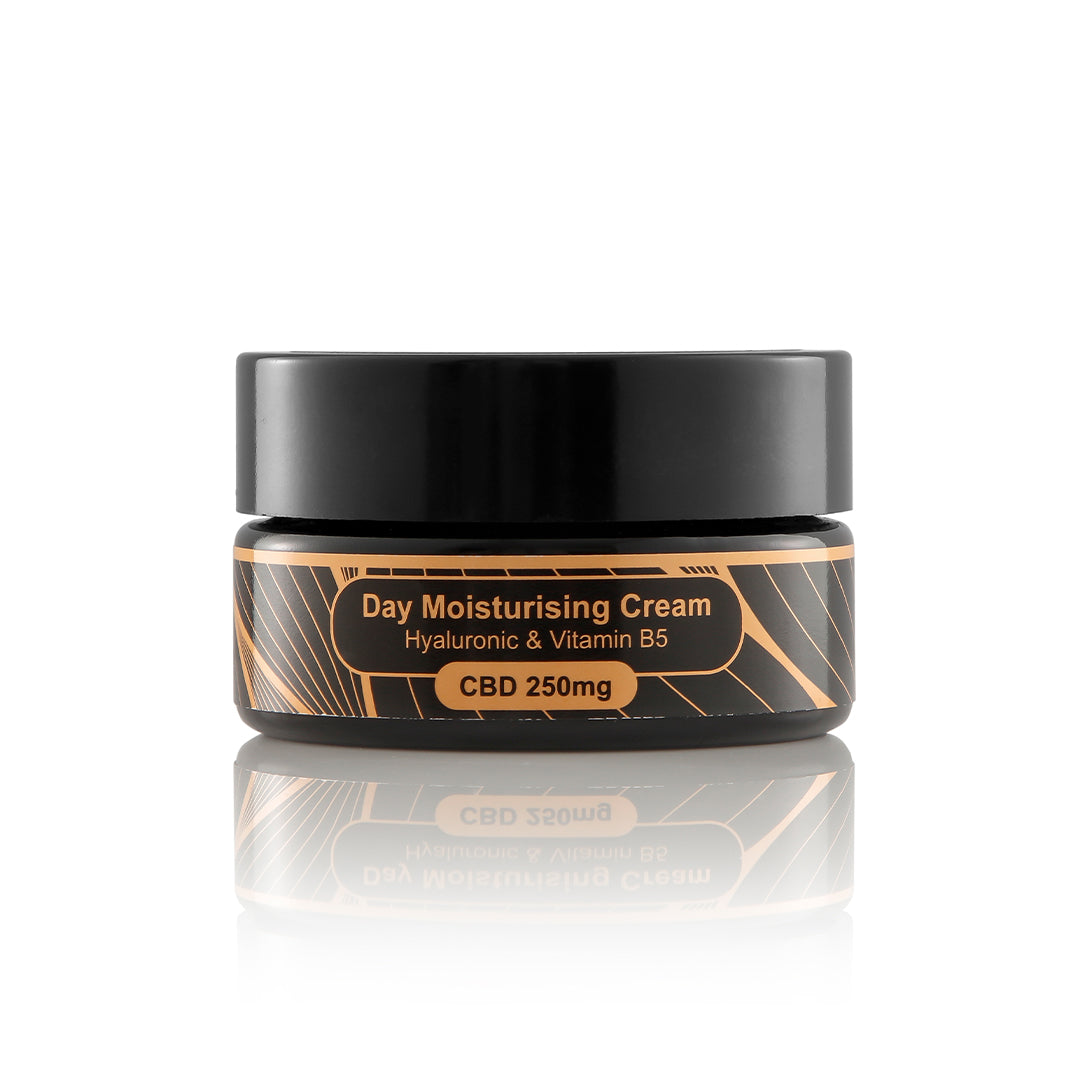
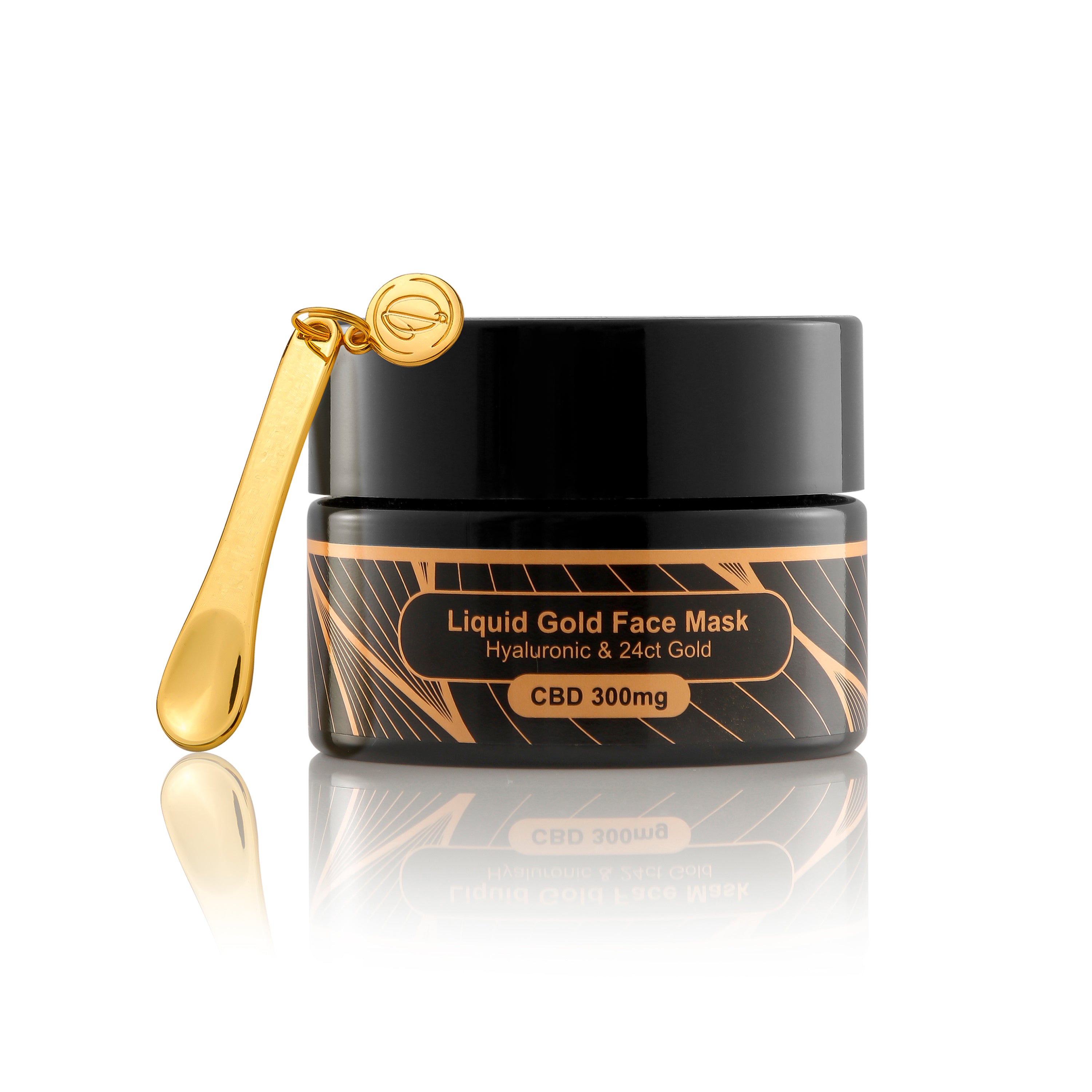
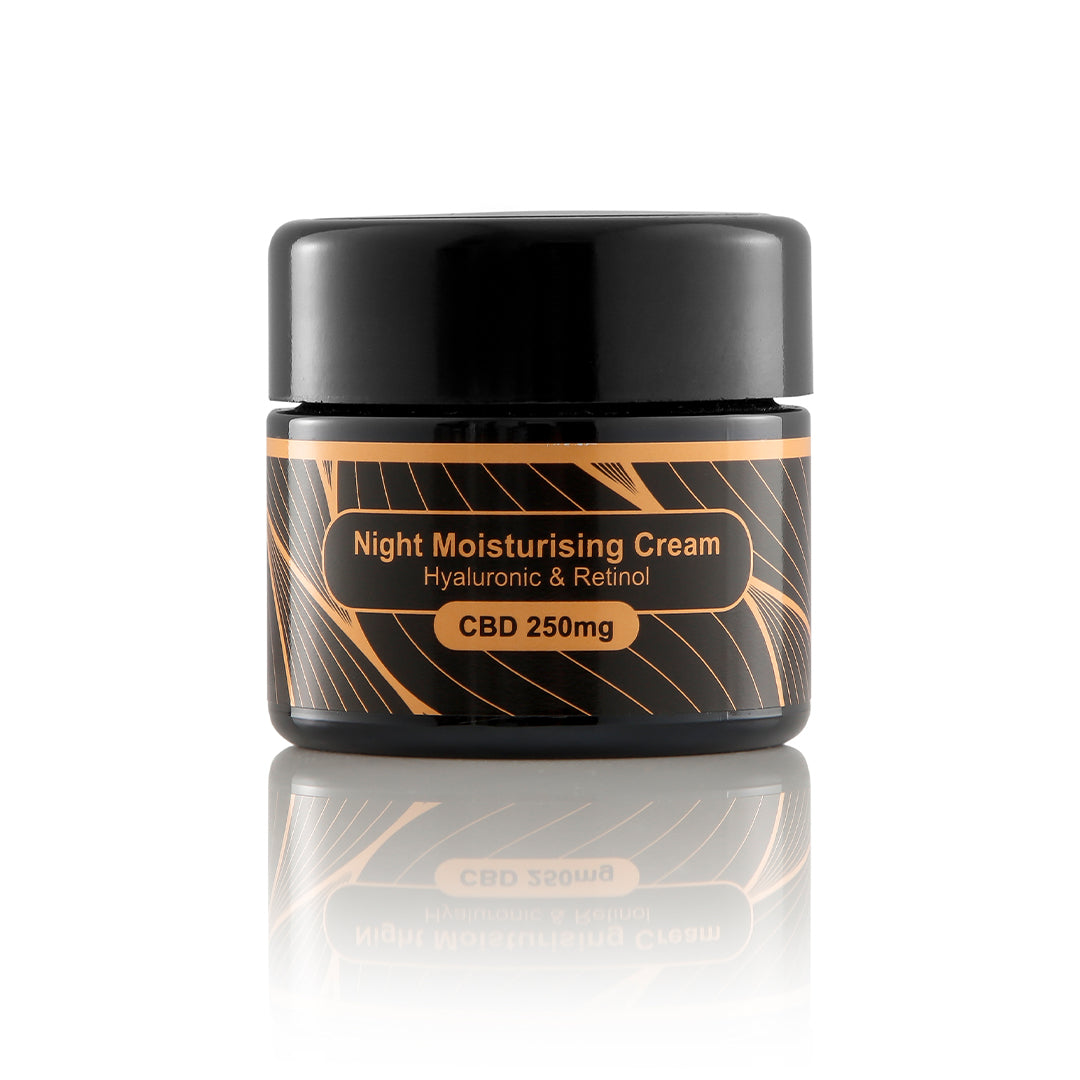
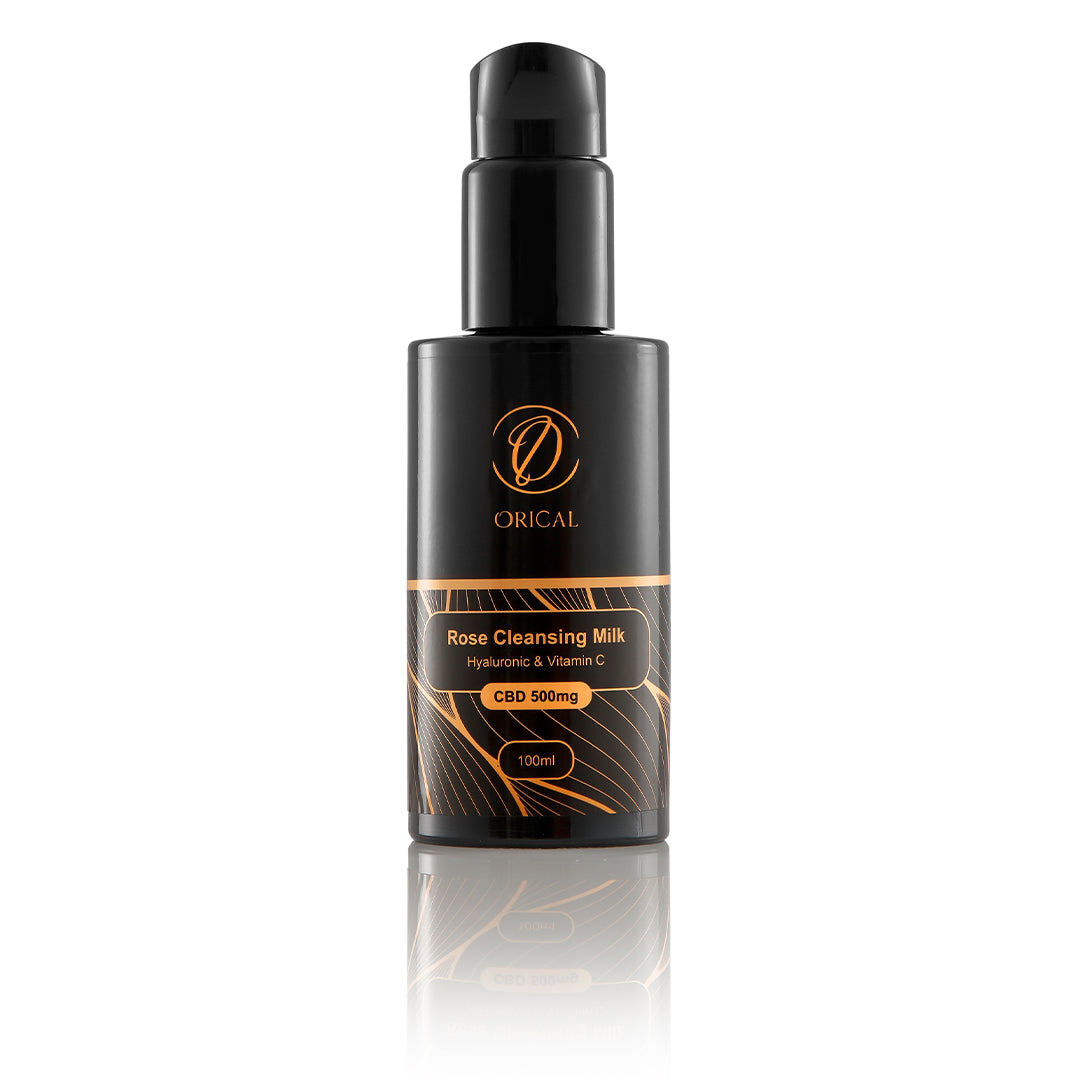
At Orical Skincare, Retinol sits alongside other luxury skincare ingredients like Hyaluronic Acid and Vitamin C to deliver a refreshing and age-defying look for all skin types. Explore our full skincare range or start with our Liquid Gold Face Mask, formulated with Retinol as part of your weekly ritual.