

Walk down any skincare aisle and hyaluronic acid is almost impossible to avoid. It's on cleansers, serums, moisturisers and sheet masks alike, often promising instant plumpness.
Most of that reputation is deserved, but not all of it, so this guide keeps things simple, looking into what hyaluronic acid actually does, who it suits, what other skincare ingredients it works well with and how to layer it properly with something like retinol.
What Does Hyaluronic Acid Do for Your Skin?
Hyaluronic acid's main job is to hold onto water. It's a humectant, meaning it draws moisture toward itself, in this case into the outer layers of skin, which is why products containing it tend to leave skin looking plumper and feeling more comfortable almost immediately after application.
It isn't synthetic or new to the body either. Hyaluronic acid, technically hyaluronan, already exists throughout your skin, joints and eyes. INCIDecoder's ingredient analysis notes a typical adult carries around 15 grams of it in total, roughly half sitting in the skin. That natural supply declines gradually with age, which is why the ingredient gets so much attention in anti-ageing skincare.
Does Hyaluronic Acid Actually Work?
There's real evidence behind it. In a 2021 clinical study of 40 women aged 30 to 65, a topical hyaluronic acid serum increased skin hydration by 134% immediately after use, with a 55% increase still measurable six weeks later, alongside improvements in smoothness and fine lines.
Worth knowing: this was an open-label study without a placebo group, and it was linked to the brand whose serum was tested, so treat it as a strong signal rather than absolute proof.
A separate 2021 trial found similar hydration and elasticity benefits from an oral hyaluronic acid supplement, though that's a different route into the body entirely, not the same as applying it to skin.
Hyaluronic Acid vs Sodium Hyaluronate
If you've compared ingredient lists, you'll have spotted the names of both Hyaluronic Acid and Sodium Hyaluronate, and wondered which is better. The honest answer is there isn't much difference. Sodium hyaluronate is simply the salt form of hyaluronic acid, chemically almost identical, and both come in the same range of molecular sizes. It's a myth that sodium hyaluronate "penetrates deeper", really it's just more stable and easier to formulate, which is why it shows up more often on labels.
Why Molecular Weight Matters More Than the Name on the Label
Molecular weight decides how hyaluronic acid behaves on your skin, far more than whether it's called an acid or a salt.
- High molecular weight sits on the surface, forming a light film that holds moisture in. It doesn't sink in, and it doesn't need to.
- Low molecular weight is small enough to move into the outermost skin layer, working slightly deeper. Research using Raman spectroscopy confirmed this directly.
- Ultra-low molecular weight goes deeper still, but the evidence on whether that's a benefit or a risk for sensitive skin is still developing.
A product blending a few different weights tends to work harder than one relying on just one size.
Can Hyaluronic Acid Dry Out Your Skin?
There's some truth to the idea that Hyaluronic Acid can dry out your skin, though it's usually explained badly. As a humectant, hyaluronic acid pulls water toward itself from wherever it can, and in very dry air, such as on a plane or in a cold room, it can occasionally draw that water from your skin rather than the atmosphere.
The simple fix is to just apply skincare containing Hyaluronic Acid to slightly damp skin, then seal it in straight away with a moisturiser or oil. Do that, and it's very unlikely to leave skin drier than before.
Does Hyaluronic Acid Really Hold 1,000 Times Its Weight in Water?
Hyaluronic Acid probably does not hold 1,000 times its weight in water, and it's worth knowing that, since this is one of skincare's most repeated claims. The figure comes from decades-old research that never actually cited a source for it, and a more recent chemical analysis argues the real number is far lower, with lab testing suggesting closer to tens or hundreds of times its weight rather than a thousand.
That doesn't make it a weak ingredient. It's still one of the best humectants available. It just means "holds many times its weight in water" is the more honest way to put it.
Who Does Hyaluronic Acid Suit?
Hyaluronic acid and skincare products containing it can help almost everyone, which is part of why it's so popular. It's non-comedogenic, so it suits oily and acne-prone skin well, and gentle enough for sensitive skin too, though patch testing anything new is always sensible. It's commonly used during pregnancy and breastfeeding, and it's a mainstay as skin matures, since your natural supply drops with age.
It works less well alone on very dry skin in harsh conditions, where it needs that sealing step above, and it's not a substitute for medical advice if you have a specific skin condition. That's always worth a GP or dermatologist rather than skincare alone.
How to Use and Layer Hyaluronic Acid
Apply to Damp Skin, Then Seal
This is the step that makes or breaks it. Apply straight after cleansing, while skin is still slightly damp, then follow immediately with a moisturiser. Skipping the seal is the most common reason people feel it "doesn't work".
Serum, Cream or Both?
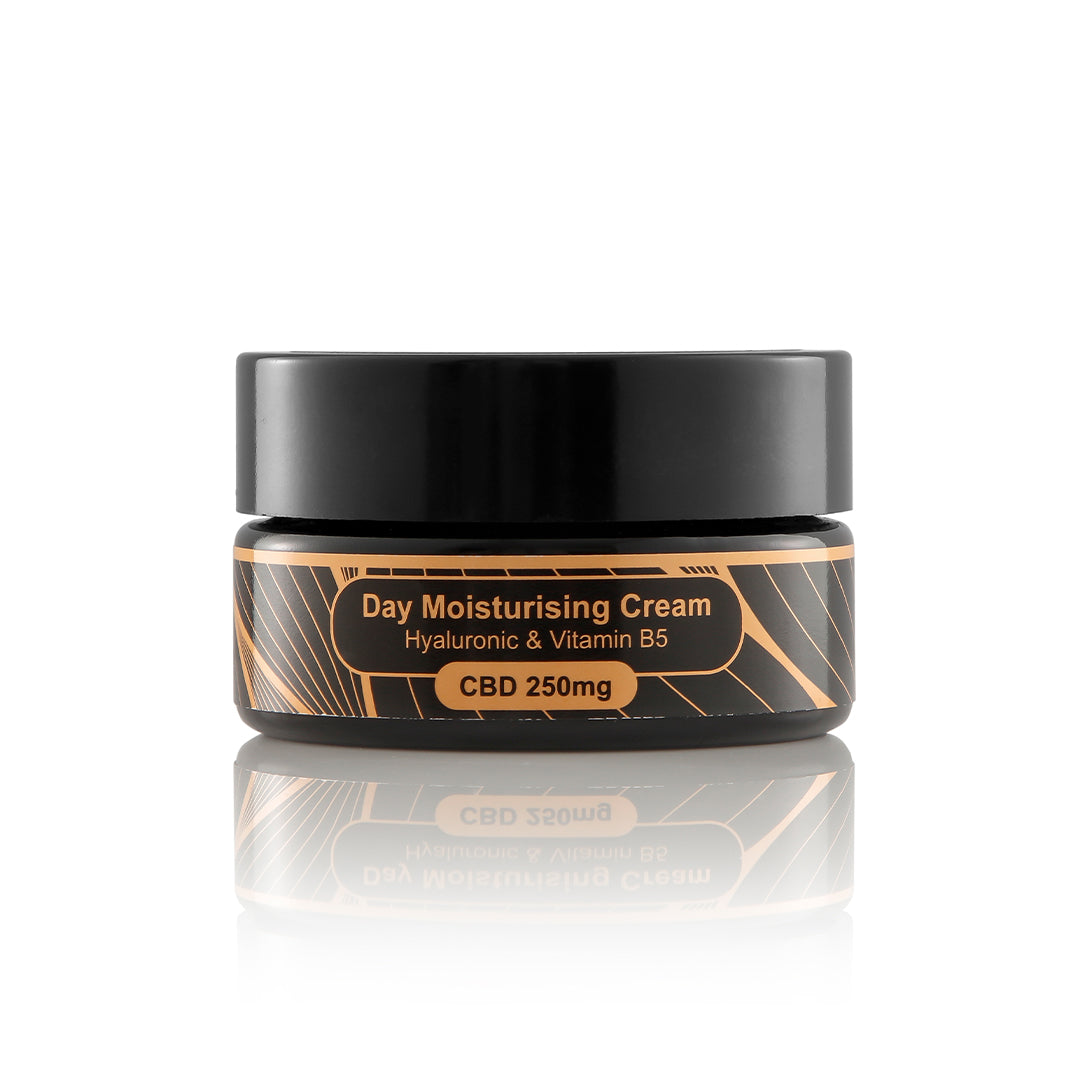
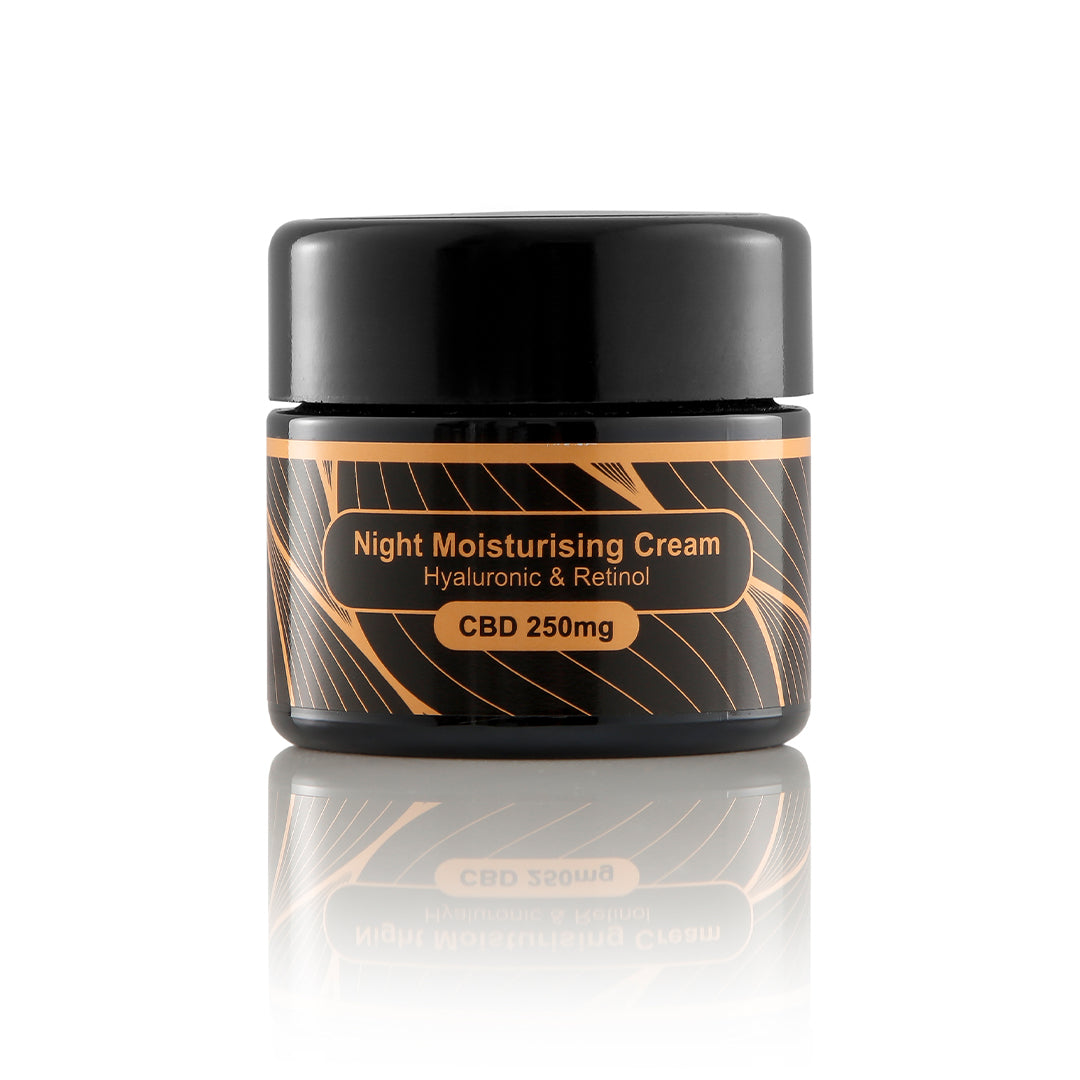
A serum gives a concentrated dose and suits a build-your-own routine. A cream that already contains hyaluronic acid, like Orical's Day and Night Moisturising Creams, does the hydrating and sealing in one step, which is simpler if you'd rather not add an extra layer.
Apply Morning or Night?
Either works. Unlike retinol or vitamin C, hyaluronic acid doesn't carry any sun-sensitivity concerns, so plenty of people use it both morning and night.
Can You Use Hyaluronic Acid with Retinol?
Yes, you can use Skincare containing Hyaluronic Acid and Retinol, and they work well together. Retinol speeds up cell turnover, which can be drying at first, while hyaluronic acid replaces that lost moisture and keeps skin comfortable.
A popular method is "retinol sandwiching": hyaluronic acid, then retinol once absorbed, then hyaluronic acid or moisturiser again on top. It doesn't weaken the retinol, but it does ease some of the dryness that comes with introducing it, which makes a moisturiser like Orical's Night Cream a sensible partner while your skin adjusts.
Conclusion
Hyaluronic acid earns its reputation honestly. It's well tolerated, backed by genuine evidence, suits most skin types and is a dependable ingredient used in popular skincare products, provided it's used and layered correctly. How you use it matters just as much as the ingredient itself.
Ready to bring it into your own routine? Explore our full skincare range or start with the Day Moisturising Cream and Night Moisturising Cream, both formulated with hyaluronic acid as part of your daily ritual.